- Home
- China
- World
- Europe
- Politics
- Business
- Opinions
- Tech & Sci
- Culture
- Sports
- Travel
- Nature
- Picture
- Video
- Live
- TV
- Specials


Share







Copied
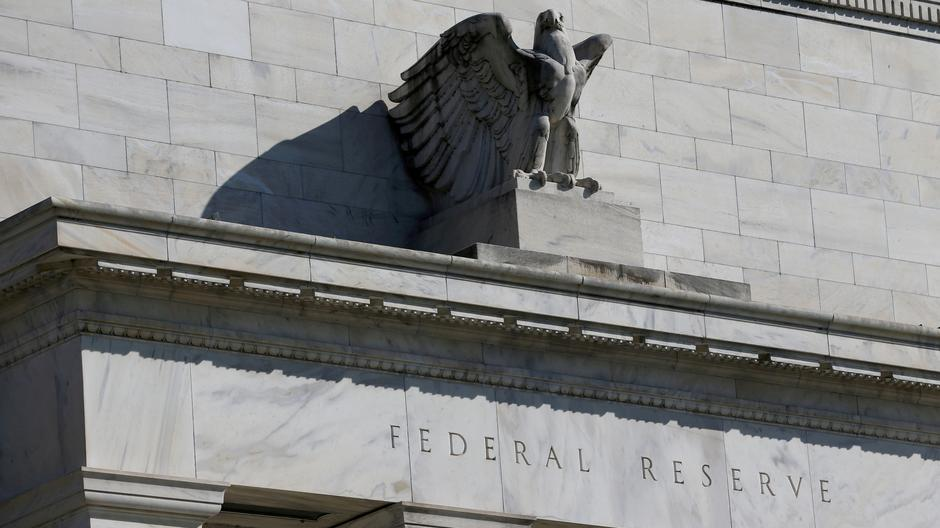
Credit risk continued to rise in the U.S. and Europe after the Federal Reserve said a full recovery from the Covid-19 pandemic will take years. /Reuters
Credit risk continued to rise in the U.S. and Europe after the Federal Reserve said a full recovery from the COVID-19 pandemic will take years.
The cost to protect investment-grade corporate debt against default in both regions rose for a fourth straight day Thursday, a notable in what's otherwise been a weeks-long rally. Europe's syndicated bond market saw just four transactions, compared to 15 the previous day, while 10 borrowers in the U.S. stood down after considering bond sales.
Investors are losing their appetite for risk after Fed Chair Jerome Powell suggested Wednesday that the pandemic could inflict long-lasting damage on the economy, reinforced Thursday by a slow decline in U.S. jobless claims. And a second wave of the virus is emerging in certain parts of the U.S., raising alarms as new infections push the overall count past 2 million Americans.
That's sending spreads wider in the secondary market and forcing issuers to pause. Borrowers in both regions have been busier than ever in recent months as central bank support has fueled rampant supply and demand, which had pushed borrowing costs down to pre-pandemic levels.
"The market seems to be taking a breather after some massive tightening over the past weeks as there has been hardly anything positive on the virus front over the last week, while economic data continues to point towards a grim future ahead of us," said Shanawaz Bhimji, a strategist at ABN Amro NV.
U.S.
In the high-yield market, MGM China may sell bonds as soon as Thursday, while marketing for an unsecured offering for the buyout of Lummus Technology also gets underway. Wynn Macau announced a new $750 million sale that’s expected to price Friday.
Europe
Primary sales have slowed sharply after exceeding 1 trillion euros for the year earlier this week. There’s also a public holiday in parts of Europe today, further slowing issuance.
Asia
A Thai energy giant and a couple of non-investment grade issuers offered dollar bonds, indicating continued resilience in Asia’s credit market despite a tick back up in borrowing costs.
(With input from the agencies)